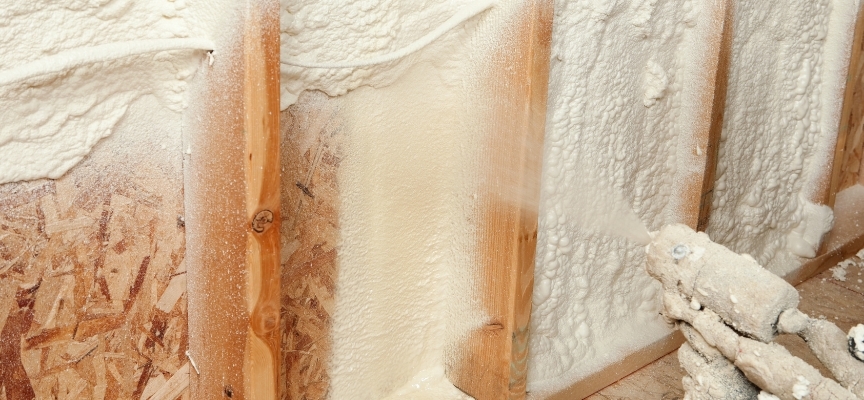
Office buildings in Edmonton rely on insulation that performs well in every season. Staff need steady temperatures to stay comfortable. Clients expect a pleasant environment the moment they walk in. Owners want predictable energy use so the building runs efficiently. Strong insulation supports all three goals, which is why many offices turn to experienced insulation contractors for guidance on long-term performance and comfort.
This blog explains why spray foam is an effective choice for office insulation and how it compares with other common methods.
Why Office Buildings Need Strong Insulation Performance
Office buildings are busy spaces. They run for long hours and must maintain stable temperatures across multiple rooms. Good insulation supports comfort and reduces strain on heating and cooling systems.
Shortcomings in insulation often show up as:
- Rooms that feel colder or warmer than others
- Increased energy use during long operating hours
- More pressure on HVAC equipment
Spray foam helps solve these challenges through strong adhesion, full coverage, and dependable performance.
How Edmonton Climate Shapes Office Insulation Needs
Edmonton has warm summers and very cold winters. Office buildings need insulation that supports steady indoor comfort through both extremes.
Spray foam reduces unwanted air movement, which helps prevent temperature swings across work areas. This creates a comfortable environment that supports productivity throughout the day.
How Spray Foam Supports Long-Term Office Performance
Spray foam works well in commercial spaces because it adapts to many layouts and provides consistent coverage. Offices often include complex designs, irregular framing, and exposed structural features. Spray foam fits these areas with ease.
Consistent Air Control Across Large Office Spaces
Air movement affects comfort more than building owners realize. Small gaps in walls or ceilings allow drafts to travel far. Spray foam fills these areas, which helps create a more stable indoor environment.
This supports:
- More consistent temperatures
- Better comfort for staff
- Reduced energy waste
Strong Adhesion and Complete Coverage
Spray foam sticks directly to surfaces. It expands into corners and recesses where batt insulation or blown-in insulation may not reach. This creates a uniform insulation layer that supports even heating and cooling.
Long Term Stability and Performance
Spray foam maintains its shape over time. It does not sag or shift which helps preserve performance across seasons. This makes it a strong choice for offices that want insulation that lasts.
Comparing Spray Foam With Other Office Insulation Types
Most office buildings still use batt insulation or blown-in insulation. Both have value but often face limitations in modern commercial spaces.
Where Spray Foam Outperforms Batt Insulation
Batt insulation works best in simple framing layouts with predictable spacing. Office buildings rarely follow this pattern. They often include complex wall designs, support beams, mechanical runs, open ceilings, and irregular cavities created during renovations and tenant improvements. These elements make it difficult for batt insulation to sit tightly in place. Even small gaps lower its overall performance and can lead to noticeable temperature differences across work areas.
Spray foam adapts naturally to these challenges. It expands to fit around beams, into corners, and through tight structural spaces where batt insulation cannot achieve full contact.
This reduces the chance of open areas and creates more complete coverage that supports steady indoor comfort throughout the office.
How Spray Foam Performs Better Than Blown-In Insulation
Blown-in insulation is often used in commercial spaces because it can cover large areas quickly. The challenge is that it settles as time passes. When it settles, the insulation level drops and creates uneven coverage. These open spaces allow unwanted air movement that affects indoor comfort, especially in offices with long operating hours and varying room sizes.
Spray foam offers a more stable alternative. It expands to its final shape and stays in place without shifting or settling. This helps maintain consistent insulation thickness across the entire space. Office managers benefit from a performance level that remains steady year after year, which supports predictable energy use and more comfortable work environments.
How Spray Foam Adds Value to Office Buildings
Office owners and managers value predictable operation and comfortable work environments. Spray foam supports these goals in several ways.
More Stable Temperatures for Staff Comfort
Consistent indoor conditions help people work more effectively. Spray foam supports this by helping regulate air movement and reducing temperature swings.
Reduced HVAC Strain During Long Operating Hours
HVAC systems work hard in offices. Spray foam helps these systems maintain the desired temperature more easily. This can support equipment lifespan and overall energy stability.
Better Long-Term Cost Planning
Spray foam offers long-lasting performance, which makes maintenance schedules easier to plan. Owners appreciate insulation that remains stable without frequent replacements.
What Office Managers Should Consider Before Choosing Spray Foam
Selecting spray foam involves evaluating the building and matching the right product to the right space. Many managers work with office insulation contractors to ensure the assessment and planning process is accurate and efficient.
Evaluate Office Layout and Energy Gaps
An insulation assessment helps identify:
- Areas losing energy
- Spots with irregular framing
- Rooms with temperature swings
These findings guide installation planning and help determine where spray foam will deliver the greatest benefit.
Choose a Product That Matches the Building
Different spray foam products serve different needs. Office projects often use Insulthane 450 NM ocSPF, Extreme Insulthane, or DC315. Each provides stable long term performance. The best option depends on office size, layout, and insulation goals.
Work with a Qualified office Insulation Contractor
Spray foam requires proper preparation and careful installation. Working with experienced office insulation contractors helps ensure the final result supports the long term needs of the building and delivers the performance that office owners expect.
Why Edmonton Offices Trust Classic Spray Foam
Classic Spray Foam understands how insulation affects office performance. Our team focuses on creating stable indoor environments through careful preparation and precise application.
We use modern spray foam products that support air control and long-term comfort. Our approach helps offices reduce energy waste, improve temperature stability, and support daily operations.
Classic Spray Foam brings experience, trained installers, and a commitment to quality insulation work. This makes us a trusted choice for office buildings in Edmonton that want strong performance and long-term reliability. Contact us now.