5 Things to Plan Before Scheduling Spray Foam Insulation in a New Home
March 24, 2026
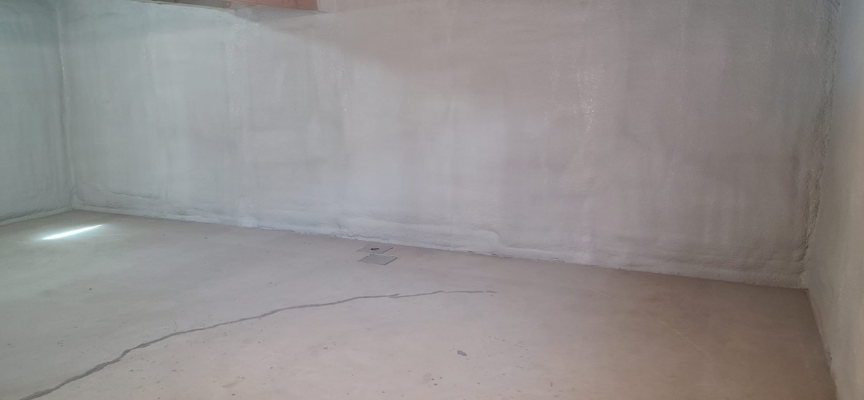
Planning spray foam insulation is an important step in any new home project. The timing of insulation affects construction flow, trade coordination, and overall installation quality. When insulation planning happens early, builders can avoid delays and unnecessary rework.
New home construction involves multiple trades working on tight schedules. Spray foam insulation works best when it is integrated into the build sequence.
Proper planning allows installers to access framing, cavities, and critical areas before finishes begin. Skilled spray foam insulation contractors in Edmonton often work with builders during framing and rough-in stages to ensure insulation is installed at the right time.
Spray foam insulation limits air movement and helps maintain consistent indoor temperatures. It creates a continuous barrier that reduces drafts and uncontrolled heat transfer. These benefits are most effective when insulation is installed at the correct construction stage.
This blog outlines five practical planning steps to consider before scheduling spray foam insulation in a new home.
- Understand the Construction Stage Readiness
Before scheduling spray foam, check that the frame is complete. All rough-in work, such as electrical and plumbing, must be finished. Walls need to be open and ready for insulation access.
Surfaces must be clean and clear of debris. Dust, insulation remnants, and loose materials can affect adhesion and performance. Planning spray foam after significant building elements helps ensure a good installation.
Spray foam must be installed at the right time in construction. Work that interferes with access should be done earlier. Planning the sequence with your builders helps avoid reinstalling or reworking areas that got blocked.
- Identify All Areas Requiring Insulation
Next, plan the areas where spray foam will be applied. New homes often use spray foam in attics, walls, and basement ceilings. Every space has unique insulation needs.
Attic insulation can greatly impact comfort and energy performance when installed early. Ceiling and roof assemblies should be accessible before drywall is installed.
Exterior walls and rim joists should be planned for spray foam when possible. Basement walls and ceilings are often treated during a build to maintain consistent insulation coverage.
Knowing the scope supports accurate scheduling and reduces surprises on install day.
- Choose the Right Type of Spray Foam
Another planning step is deciding which spray foam type to use. Different types deliver different performance benefits. Open-cell and closed-cell spray foam have distinct characteristics.
In Canada, spray foam installers follow specific standards and requirements. Light-density open-cell spray foam is a semi-rigid material that expands and fills cavities effectively.
Medium-density closed-cell spray foam delivers higher long-term thermal resistance and works as both an air barrier and a vapour barrier when installed to code. ccSPF in Canada must meet CAN/ULC S705.1 and S705.2 standards to comply with the National Building Code.
Reviewing product types with your contractor lets you plan for the insulation that meets your project goals.
- Plan for Fire Protection and Code Compliance
Spray foam insulation must meet fire safety and code requirements in new homes. Spray foam inside living spaces requires a thermal barrier or ignition barrier before the home can be occupied.
A thermal barrier protects the foam from direct exposure to living spaces in the event of fire. Many builders use gypsum board or thermal barrier coatings like DC315 to meet these requirements.
DC315 is a code-compliant intumescent coating designed to provide a thermal barrier for spray foam when drywall is not used. This product meets the requirements of the National Building Code and can help projects stay compliant with safety standards.
Including fire protection planning before scheduling spray foam avoids delays during inspections.
- Coordinate With Builders and Contractors Early
Good communication with builders and insulation contractors is essential. Coordinating schedules helps avoid conflicts between trades. Spray foam installers need clear access and proper sequencing.
Discuss with your builder when insulation should be scheduled relative to drywall and other finishes. Planning lets the insulation contractor allocate time effectively. This coordination improves work quality and reduces downtime.
Edmonton’s building season is short, and demand spikes in spring and fall. Booking professional spray foam insulation services early gives you a better chance of securing your desired schedule.
Why Early Planning Makes a Difference
Planning spray foam insulation early can improve the outcome of your build. Proper sequencing reduces the risk of rework. It also helps manage the project timeline so other trades can stay on schedule.
Planning product types, fire protection needs, and installer access supports a smooth installation. Integrating insulation planning into your build timeline is a professional approach that leads to better results.
Proper planning keeps every step of your project aligned and reduces the need for site changes later. These actions contribute to a consistent and well-built home with fewer installed issues.
Professional Spray Foam Insulation Services for New Homes
When you are ready to schedule spray foam, choosing experienced insulation contractors matters. Spray foam installation requires professional tools and training. Certified installers know how to maintain code compliance while avoiding common pitfalls.
Good contractors also help you plan product type, thermal barrier requirements, and project timing. They can help optimize your insulation work with other trades. This can prevent costly delays.
A trusted local contractor supports a quality spray foam experience from start to finish.
About Classic Spray Foam
Classic Spray Foam is a professional spray foam insulation contractor based in Edmonton. We offer spray foam insulation services for new homes and renovation projects. Our team also provides blown-in insulation removal and installation.
We focus on delivering quality work for custom-built homes while serving all property types in the Edmonton area. Our professionals help you plan and schedule insulation to match your construction timeline.
We also offer services like DC315 fire protection coatings to help meet code requirements and ensure safety as part of your insulation planning. Contact us to start planning your spray foam insulation today.