6 Times Insulation Removal Is Needed Before Installing Spray Foam
March 13, 2026
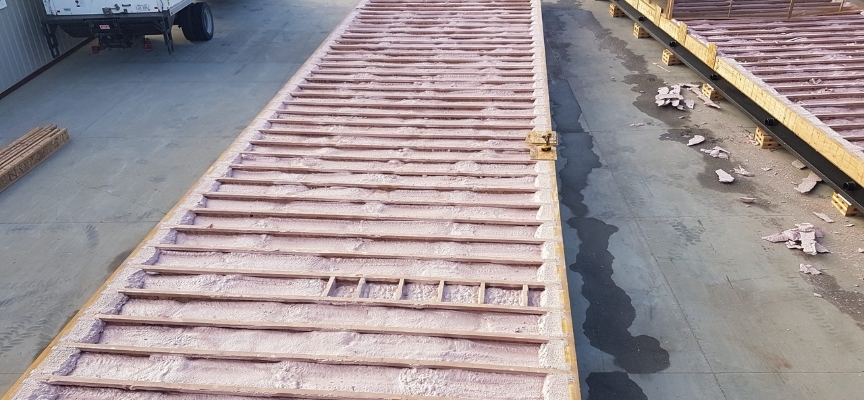
Many Edmonton homeowners decide to upgrade their insulation to spray foam. Before you begin this upgrade, understanding when insulation removal is needed can help you plan better. Spray foam works best on clean surfaces that allow full and even adhesion.
Professional spray foam insulation contractors assess conditions before installation and determine whether existing insulation must be removed to support lasting performance and proper air sealing.
Spray foam insulation is a premium insulation solution that creates an airtight seal that prevents air movement between warm and cold areas. This difference improves thermal performance and helps maintain comfort year-round in Edmonton homes.
Planning for insulation removal and spray foam installation is a key part of the process rather than an afterthought.
What Happens During Insulation Removal and Spray Foam Installation
Spray foam cannot be applied over every kind of existing insulation. Materials such as old fibreglass batts, loose fill cellulose, or degraded insulation prevent spray foam from bonding to structural surfaces.
Insulation removal creates a clear space for the foam to attach to framing, sheathing, and cavities. A professional insulation contractor examines your home’s conditions to determine removal needs.
This inspection may include visual checks, probing hidden cavities, or checking for uneven surfaces that impede spray foam performance. A clear surface supports uniform spray foam coverage, consistent thickness, and effective air sealing across the installation area.
This preparation step aligns with federal guidance on building upgrades. Retrofits can include adding or upgrading insulation to improve energy performance.
Below, we outline six common cases when removing existing insulation is necessary before installing spray foam.
1. When Existing Insulation Blocks Spray Foam Coverage
One of the most common cases for removal is when old insulation blocks access to key framing or cavities. Traditional materials such as fibreglass or loose-fill insulation often fill spaces unevenly.
These materials can also create gaps between framing members and insulation. Spray foam needs unobstructed access to surfaces to expand and adhere correctly.
If foam cannot make contact with the framing or substrate, it will not form the proper continuous seal that it is designed to provide.
Before installation, a contractor evaluates each cavity. If the existing insulation prevents access to framing members or recessed areas, removal is required. This scenario is especially common in attics, where older batt insulation may have shifted over time.
2. When Insulation Has Settled or Shifted
Insulation that has settled or shifted can leave voids or create uneven insulation coverage. This condition prevents spray foam from expanding evenly within a cavity.
Uneven expansion results in inconsistent performance and may compromise the installation. Settled insulation can also trap air pockets that hinder spray foam adhesion.
Contractors often find that insulation in older attics has moved due to temperature changes, vibration, or gravity.
Removing that insulation allows contractors to start with a clean cavity, ensuring that spray foam can uniformly expand without obstruction. This preparation supports proper installation and performance.
3. When Upgrading to Spray Foam From Traditional Materials
Upgrading your home from traditional insulation to spray foam often requires removing the existing material. Spray foam is designed to create an airtight seal. It must directly contact the substrate to achieve this performance.
Fibreglass and other insulation types do not provide a stable surface for spray foam to bond with. These materials also compress or deteriorate over time and can interfere with foam application.
When professionals plan the upgrade, they assess the entire cavity and decide if removal is necessary. In many retrofit cases, removal improves the quality of the spray foam installation and promotes consistent sealing across the home’s envelope.
4. When Insulation Prevents a Clear Site Inspection
A thorough inspection is required before installing spray foam insulation. Contractors must observe structural elements, check for potential hazards, and confirm that cavities are suitable for foam application. Old or bulky insulation often hides important features such as wiring, plumbing, or irregular framing.
Removing insulation gives contractors a clear view of the installation area. This step is important because spray foam installers need to see where to apply the foam for the best results. A clear inspection also helps them plan around obstacles and provide a more accurate installation strategy.
5. When Preparing Attics or Basements for Renovation
Renovations to attics or basements often trigger the need for insulation changes. When homeowners plan to reconfigure these spaces, existing insulation may need removal to make way for new layouts, framing, or utilities.
Removing insulation helps create a clean environment for the new spray foam installation and ensures that changes are not hindered by outdated materials.
In many renovation projects, attic layouts are altered to add living space or improve access. These changes make it necessary to remove old insulation so spray foam can be installed correctly in the new configuration.
6. When Structural or Safety Concerns Exist
If a cavity shows signs of structural issues, fire hazards, or safety concerns, insulation removal may be required before spray foam application. While spray foam can enhance air sealing, it must also be installed in areas free from hazards.
For example, insulation that has been damaged by pests, water leaks, or structural movement should be removed so that the underlying issues can be addressed first. This ensures the insulation upgrade is not applied over a condition that could worsen over time.
In some cases, local building codes or retrofit guidelines may influence whether insulation can remain in place. Homeowners should always rely on professional assessments and adhere to safety standards before any removal or installation begins.
How Contractors Decide If Insulation Removal Is Required
A professional insulation contractor evaluates several factors when determining whether to remove existing insulation. These include the type of insulation in place, its condition, and the location of the area to be insulated.
The contractor also assesses how the existing material interacts with the planned spray foam system and how it might affect adhesion. If the evaluation reveals that the existing insulation hinders full contact between the foam and the substrate, removal is usually recommended.
The decision also considers the overall retrofit goals and whether the space requires a deep energy efficiency upgrade.
Removing insulation at the right time supports proper preparation for spray foam installation and aligns with retrofit best practices highlighted by Canadian Energy Efficiency Programs.
Conclusion
Understanding when insulation removal is needed helps Edmonton homeowners plan a successful spray foam insulation installation.
Removal is not always necessary, but it is essential in cases where existing materials block spray foam access, have shifted, hide structural elements, or interfere with renovation plans.
A professional assessment helps determine the best approach for your home and supports effective preparation and installation.
By planning and working with experienced insulation contractors, you can ensure that your spray foam project delivers consistent performance and supports your home’s long-term comfort and energy efficiency.
About Classic Spray Foam
Classic Spray Foam provides professional spray foam insulation services in Edmonton with a focus on long-term building performance and airtight installation quality.
We support custom-built homes and retrofit projects across residential, commercial, and industrial properties.
Every project is planned in detail to ensure that insulation removal and spray foam installation align with the unique conditions of each building. Choosing experienced installers helps you avoid common pitfalls and supports lasting performance.
Contact us today to discuss your spray foam insulation project and schedule a professional assessment.