Why Some Edmonton Homes Still Feel Cold After Upgrading Insulation
May 7, 2026
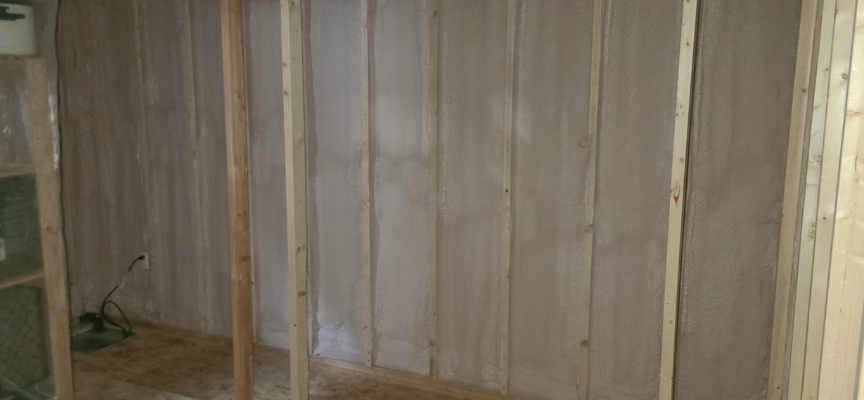
Upgrading insulation should make your home feel warmer fast. Yet many Edmonton homeowners still notice cold floors, drafty rooms, and uneven temperatures.
That usually means the problem is not only insulation depth. It is often air movement, missed areas, or the wrong material for the space.
If you are comparing options, start with spray foam insulation services in Edmonton that focus on sealing air leaks, not just adding R value.
Insulation Can Be New, And Your Home Can Still Leak Heat
Insulation slows heat transfer through walls and ceilings. It does not automatically stop air from moving through gaps.
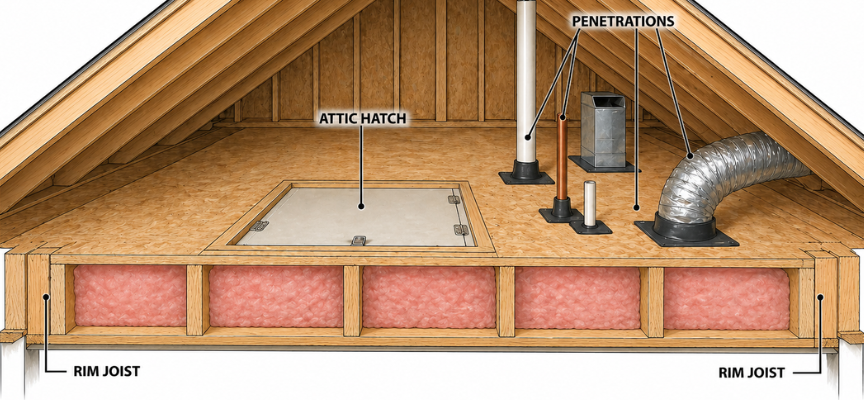
Even small openings around attic hatches, rim joists, and wiring penetrations allow constant air exchange. That movement reduces real-world insulation performance.
Trusted insulation contractors often identify these hidden leakage points during inspections because they directly affect comfort and efficiency.
In winter, warm air naturally rises. It escapes through the upper levels and pulls cold air into the lower areas. This process is known as the stack effect.
The stack effect becomes stronger during Edmonton’s coldest months. Larger temperature differences increase air movement inside the building envelope.
Air leakage can undercut your upgrade. Warm air escapes, and cold air replaces it.
Statistics Canada notes that households can reduce energy use through changes like upgrading the dwelling’s insulation and caulking leaky windows.
That detail matters because sealing targets uncontrolled airflow first. Insulation performs best when the building envelope is tight and consistent.
Common Reasons Your Edmonton Home Still Feels Cold
Many comfort complaints come from a few repeat issues. The good news is that most are fixable once you identify the real cause.
Air Leaks Were Never Properly Sealed
Air leaks usually hide in predictable spots. They appear around attic hatches, plumbing penetrations, electrical boxes, and top plates.
Even small openings can create noticeable drafts. When outdoor temperatures drop in Edmonton, pressure differences increase air movement through these gaps.
If the home still feels drafty, start there. A gap the size of a coin can affect comfort more than expected.
Experienced insulation contractors often begin inspections in these problem areas because hidden leaks reduce insulation performance.
Spray foam insulation helps because it expands into cracks. It creates an airtight seal where other materials cannot fully block airflow.
Your Attic Has Gaps Or Compression
Attic insulation often looks fine from the access hatch. The issue is usually uneven coverage.
Insulation that is compressed loses effective thermal performance. Insulation that is missing near edges or soffits allows heat to escape.
Attics also need sealing around light fixtures, duct penetrations, and access panels. Without proper sealing, warm air rises and exits through the upper level of the home.
In cold climates like Edmonton, heat loss through the attic can significantly impact overall comfort.
Basement Rim Joists And Band Areas Were Missed
Basements create major comfort problems in Edmonton homes. Cold air tends to settle near the floor and perimeter walls.
Rim joists are common leakage points. They connect framing to the foundation and often contain small gaps.
Canada Mortgage and Housing Corporation states that homeowners should add as much insulation to the attic, exterior walls and foundation as they can afford.
If your basement insulation upgrade skipped rim joists, the house can still feel cold. This area often needs a tighter seal than batt insulation provides.
Old Windows And Doors Still Create Cold Zones
Insulation upgrades do not improve window glass performance. Older windows can transfer cold temperatures into surrounding walls.
You may notice certain rooms feel colder near exterior walls. That is often related to glazing performance and air sealing around frames.
Doors can also allow air leakage if weatherstripping is worn. Insulation inside walls cannot compensate for perimeter gaps.
HVAC And Airflow Issues Are Masking The Benefit
Sometimes the insulation upgrade worked. The heating system distribution did not.
Closed registers, blocked return vents, and poor airflow balancing can leave one area cold. The home feels inconsistent rather than evenly comfortable.
This is common in two-storey homes. It also appears in bonus rooms built above garages.
If airflow is uneven, the heating system may run longer without improving comfort. Addressing distribution issues can reveal the true benefit of upgraded insulation.
Why Spray Foam Often Solves The Comfort Problem Faster
Many insulation materials add thermal resistance. Spray foam also reduces air movement.
That difference is huge in Edmonton winters. Air movement is what creates drafts and cold spots.
Open-cell spray foam works well in many interior applications. Closed-cell spray foam can be ideal where space is limited.
Classic Spray Foam uses products such as Insulthane® 450 NM ocSPF and Insulthane® Extreme ccSPF. It may also apply DC315 when a thermal barrier is required.
Spray foam is not a waterproofing system. It does not stop water intrusion through foundation cracks. It supports comfort by limiting air movement and reducing condensation risk.
What To Check Next In Your Edmonton Home
If your home still feels cold, focus on diagnosis before adding more material. You want to fix the cause, not stack insulation over it.
Do a Room-by-Room Comfort Check
Walk through the house on a cold day. Notice where floors feel colder and where drafts are strongest. Pay attention to exterior corners. Check around baseboards, window frames, and electrical outlets for airflow. Comfort patterns often reveal where insulation or sealing was missed.
Look For Common Leakage Signs
Fogging near windows can signal a temperature imbalance. Dust lines near trim often indicate air movement. Whistling sounds during windy days may point to gaps. Uneven temperatures between floors are another clear sign. These clues help narrow the inspection quickly and avoid unnecessary upgrades.
Inspect Priority Zones First
Start with the attic access hatch. Then check rim joists and any cantilevered floors. Garage ceilings and bonus rooms deserve attention. They often have complex framing and incomplete air sealing. Basement band areas are another common weak spot in Edmonton homes.
What Not To Assume After An Insulation Upgrade
Some assumptions keep homeowners stuck in trial and error. Clearing them up saves time, frustration, and unnecessary upgrades.
More Insulation Always Fixes Cold Rooms
- Adding more insulation does not always solve the problem.
- If air leaks remain, comfort may not improve.
- Cold air can still enter through gaps around framing, wiring, and access points.
- Air sealing should happen first.
- Insulation depth only performs well once airflow is controlled.
Spray Foam Makes A Home Soundproof
- Spray foam improves thermal performance, not soundproofing.
- Denser materials can actually conduct sound more effectively.
- Insulation is not a replacement for dedicated acoustic design.
- If noise reduction is your goal, it requires a separate strategy.
Spray Foam Prevents Water Damage
- Spray foam is not a waterproofing system.
- It does not stop water from entering through cracks in foundations.
- It does not replace proper drainage or exterior sealing systems.
- Spray foam improves comfort by stopping air movement.
- Limiting air movement reduces the chance of warm air meeting cold surfaces inside the building envelope.
About Us
Classic Spray Foam provides insulation services in Edmonton with a strong focus on custom-built homes. The team installs spray foam insulation using professional equipment and proven products.
They handle open-cell and closed-cell spray foam applications based on the space and the goal. They also support blown-in insulation installation and removal when it fits the project scope.
If you want a site-specific recommendation, contact us to request an assessment.