Where Not To Use Spray Foam Insulation In Your Edmonton Home
December 5, 2025
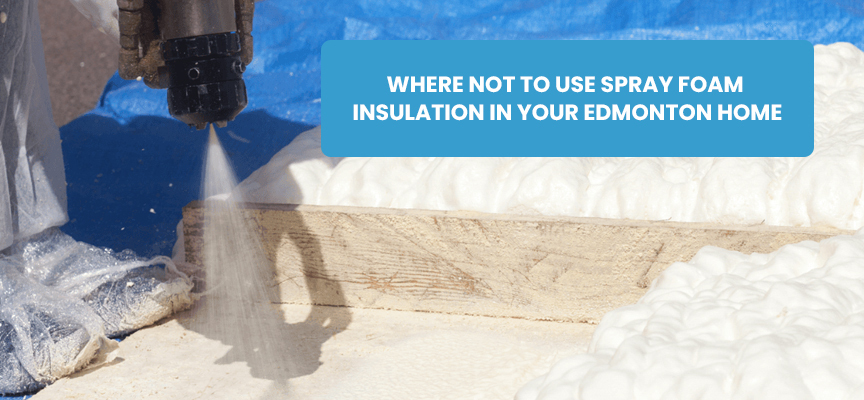
Spray foam insulation is known for its durability, energy efficiency, and long-term value. It’s a popular choice for many Edmonton homeowners upgrading their homes for better comfort and performance. However, while it works exceptionally well in many situations, it’s not a one-size-fits-all solution.
You might assume that spray foam can be used anywhere, but that’s not entirely true. There are certain parts of your home where using spray foam isn’t ideal—and in some cases, can cause more harm than good. Knowing where not to apply spray foam insulation can save you money, avoid complications, and help ensure better performance in the areas where it does work best.
Let’s explore some areas in your home where insulation contractors often recommend steering clear of spray foam—and why those recommendations matter.
Why You Need To Understand Spray Foam’s Limitations
Spray foam insulation is powerful, but it’s not perfect for every job. Like any tool, it needs the right environment to work properly.
In Edmonton, where seasons swing dramatically, the wrong insulation in the wrong place can cost you both in comfort and energy bills. If you’re planning a new install or a retrofit, it’s important to understand where spray foam insulation in Edmonton performs well and where other materials might be better suited.
The following sections explain when it’s best to reconsider spray foam for your space and what alternatives might work better.
Don’t Use Spray Foam Behind Finished Walls Without Full Access
One of the most common misconceptions about spray foam is that it can be injected behind existing drywall. It cannot. Unlike loose-fill insulation, spray foam expands as it’s applied. That expansion requires open access to wall cavities so the foam can fill the space and cure properly.
If you try to install spray foam without removing the drywall, it won’t adhere well. Worse, it could cause bulging, cracking, or gaps due to uneven distribution.
Before installing wall insulation in older homes or finished spaces, always plan for full drywall removal or consider alternative materials that work in closed cavities.
Avoid Using It Around Heat-Generating Fixtures
Spray foam doesn’t mix well with excessive heat. Placing it too close to electrical boxes, transformers, or recessed lighting can create fire risks and safety concerns. Many building codes limit how close insulation can be to high-heat sources, and for good reason.
In areas like attics or walls with fixtures that get hot, professional insulation contractors use shielding techniques or choose insulation materials that perform safely in these environments. This ensures both safety and code compliance.
Whenever you’re insulating around lights or wiring, make sure to consult a licensed contractor. They’ll help create safe buffer zones or recommend an alternative insulation method.
Never Use Open Cell Spray Foam On Unvented Roof Decks
Edmonton’s roofing structures are as varied as its weather. But one rule holds: open cell spray foam should not be applied to unvented roof decks. This type of foam has a lower density and higher permeability, which makes it unsuitable for roof decks without proper ventilation.
Closed cell spray foam may be acceptable in certain roof deck applications, especially when combined with code-compliant venting or protective coatings. However, every attic insulation project should start with an evaluation by an experienced local contractor.
Using the wrong foam type in your roof system can lead to performance issues, inefficiency, and building code violations.
Be Cautious In Spaces With Little Ventilation During Installation
Spray foam application involves a chemical process that releases gases while curing. This is completely normal—but it requires proper ventilation. Poorly ventilated areas like crawlspaces or small sealed basements can trap those fumes, creating health risks for occupants and crews alike.
That’s why certified spray foam contractors follow strict safety procedures when working in enclosed spaces. They use protective gear, apply proper ventilation systems, and follow installation schedules that allow foam to cure safely before the space is occupied.
For DIYers or homeowners trying to cut corners, skipping these steps can lead to dangerous results. Always consult professionals for enclosed or tight-area applications.
According to the Canadian Centre for Occupational Health and Safety, any chemical-based installation involving reactive compounds should be done with adequate ventilation and personal protective equipment. Spray foam is no exception.
Not Ideal For Areas Prone To Seasonal Shifting
Spray foam is a rigid material once cured. That rigidity makes it excellent for sealing gaps and improving structural strength. However, it can also become a weakness in homes that experience frequent shifting or settling—such as mobile homes, older homes with foundation movement, or areas with unstable soil.
If walls, ceilings, or joists move regularly, spray foam can crack or pull away from surfaces. In these cases, insulation materials with more flexibility, like batt or mineral wool, may perform better over time.
Closed cell foam is more resistant to pressure and compression than open cell foam, but even it isn’t designed for major structural movement.
If The Budget Doesn’t Cover Full Coverage, Wait Or Replan
Spray foam is a premium insulation solution—and it works best when it’s used comprehensively. Spot treating only part of a room or applying thin layers to save on cost won’t give you the results you’re expecting. Partial coverage can lead to performance gaps, temperature fluctuations, and even increased energy use.
If the budget is tight, consider planning your spray foam insulation services in stages. Prioritize high-impact areas like attic insulation or basement walls first. Then expand to other areas when possible.
Trying to stretch foam over too many areas with minimal coverage ends up being a waste. Focus on quality, not quantity, when it comes to spray foam.
How To Make The Right Choices For Your Edmonton Home
Choosing where not to use spray foam is just as important as knowing where to apply it. A trusted insulation contractor in Edmonton will assess your home, identify the right foam type, and plan the best installation strategy based on your space and goals.
For example, Insulthane® 450 NM ocSPF is perfect for vented attic systems, while closed cell spray foam offers maximum strength and thermal resistance in exposed wall cavities or basements. Each product has its place—and knowing which to use where is half the battle.
When in doubt, always go with a pro who understands local codes, building materials, and Edmonton’s unique seasonal demands.
About Us
Classic Spray Foam is Edmonton’s go-to specialist for spray foam insulation services. With a team trained in both open and closed cell applications, they help homeowners make smart, lasting insulation decisions. Their work supports new home construction, attic upgrades, wall and basement insulation, and more. If you’re unsure which parts of your home are ideal for spray foam, contact their experts for trusted advice and professional service.