A Proper Thermal Barrier for Heavy Facilities Through Superior Industrial Insulation
October 22, 2026
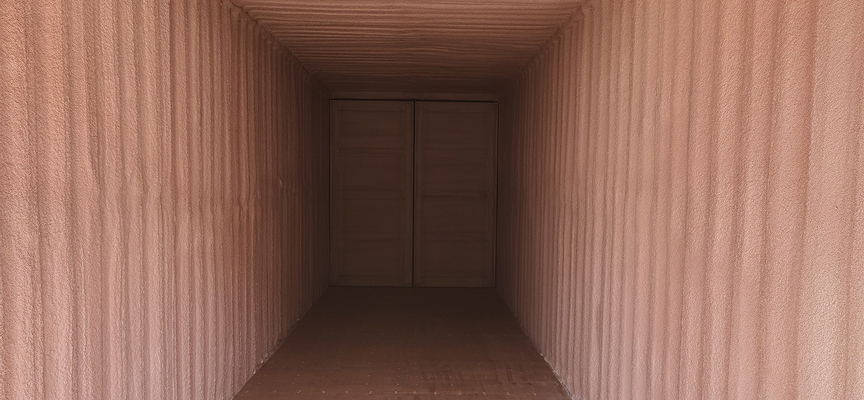
The industrial landscape of Edmonton, from the sprawling petrochemical complexes in the Industrial Heartland to the vital food processing plants along the Queen Elizabeth II Highway, operates under relentless conditions. These heavy facilities are the engines of our local economy, yet they face a constant adversary, thermal inefficiency. Without a robust thermal management strategy, energy costs escalate, production environments become unstable, and critical infrastructure is left vulnerable to the harsh Canadian climate.
For plant managers and facility owners, the solution lies not in conventional fibreglass or rigid board, but in high-performance industrial insulation that forms an impenetrable thermal barrier. At Classic Spray Foam, we engineer and apply advanced insulation systems designed to withstand the demands of heavy industry, ensuring operational integrity and long-term asset protection right here in the Edmonton region.
The Critical Need for High-Performance Insulation in Heavy Industry
Heavy facilities in Edmonton operate within a unique set of challenges. The geographical location exposes structures to extreme temperature differentials, swinging from bitter -40°C winter nights to sweltering summer heat. This constant thermal stress creates a cascade of issues. For instance, condensation can form on uninsulated metal surfaces, leading to corrosion and rust that undermine the structural integrity of the building itself. Furthermore, process control is paramount in facilities where specific temperatures are required for manufacturing, chemical reactions, or safe storage of raw materials.
Traditional batt insulation often falls short in these demanding environments. It can settle over time, creating gaps and thermal bridges that render it ineffective. It offers minimal resistance to moisture ingress, a common issue in facilities with high humidity levels or regular wash-down procedures. In contrast, professional industrial insulation, specifically spray polyurethane foam (SPF), provides a monolithic, seamless, and adhered barrier. This system eliminates the air infiltration that plagues traditional methods, creating a consistent, stable internal environment. By curbing energy loss, facilities can realise substantial reductions in heating and cooling costs, directly improving the bottom line and demonstrating a commitment to environmental stewardship.
Engineering a Proper Thermal Barrier: The Chemistry of Protection
The efficacy of a thermal barrier is determined by its material properties and installation methodology. Spray foam insulation excels in both respects. Its primary attributes contribute to a comprehensive protective system:
- Superior R-Value per Inch: SPF offers one of the highest thermal resistance values of any commercially available insulation. This means a thinner application can achieve the same or better performance than thicker layers of traditional materials, a critical advantage when insulating tight spaces or retrofitting existing structures.
- Air and Vapour Barrier Integration: The expanding nature of spray foam creates a single, continuous barrier that seals cracks, crevices, and penetrations. This intrinsic quality allows it to function as both an air barrier and a vapour retarder, crucial for managing moisture and preventing the costly repercussions of corrosion and mould growth.
- Structural Enhancement: When applied directly to roof decks or metal panels, the adhesive strength of SPF can add rigidity and improve the overall structural integrity of the building envelope.
This high-performance chemical composition ensures the insulation remains stable and effective for the lifecycle of the facility, reducing the need for costly replacements or disruptive maintenance.
Navigating Edmonton’s Industrial Climate and Safety Standards
Edmonton’s climate is not its only defining characteristic, the regulatory environment for heavy industry is equally stringent. Owners and operators must ensure that all building materials and systems meet the rigorous standards set forth by the National Building Code of Canada and local municipal bylaws. For example, facilities storing certain classes of commodities or using specific manufacturing processes may be required to have a thermal barrier with specific fire-resistance ratings.
The correct application of industrial insulation is paramount to meeting these safety and compliance benchmarks. A proper thermal barrier is not simply about energy efficiency, it is about fire protection. When specified, specific spray foam formulations and application thicknesses can provide a fire-rated separation that meets or exceeds code requirements. This protective layer can delay the spread of flames and smoke, providing critical time for evacuation and emergency response.
Our team at Classic Spray Foam possesses deep familiarity with provincial and federal regulations. We work in consultation with engineers and building owners to design and install systems that comply with the Alberta Building Code and relevant standards referenced by the Government of Canada, ensuring your facility operates safely, legally, and efficiently.
Image 2
The Application Process: Precision and Professionalism
The effectiveness of spray foam is inextricably linked to the quality of its application. Unlike consumer-grade products, heavy-duty industrial insulation requires professional grade equipment, precise chemical proportioning, and a team of trained and certified technicians. The process begins long before the spray gun is triggered.
- Surface Preparation: This crucial step involves ensuring the substrate is clean, dry, and free of contaminants. Our team assesses the surface for proper adhesion and may employ mechanical or chemical methods to prepare it. This groundwork ensures a strong, permanent bond.
- Controlled Application: Using state-of-the-art proportioning equipment, the two-component liquid mixture (isocyanate and polyol resin) is sprayed onto the surface. The team carefully regulates the thickness in a single pass to achieve the target R-value and structural properties.
- Trim and Finish: Once the foam has cured, any excess is trimmed to create a flush, even surface. In some applications, a protective coating is applied to shield the foam from physical damage or UV exposure, extending the longevity of the thermal barrier.
This meticulous, multi-step process ensures that the final result is a flawless, high-performance barrier free from voids or thin spots that could compromise the facility’s thermal performance.
Long-Term Economic and Operational Benefits
While the initial investment in professional industrial insulation is a capital project, its return on investment is compelling. The cumulative savings from reduced energy consumption can offset the upfront costs within a few heating seasons. Moreover, the benefits extend beyond the utility bill.
- Extended Equipment Life: By stabilising the interior environment, insulation protects process equipment, piping, and tanks from the damaging effects of freezing and extreme heat.
- Increased Asset Value: A well-insulated facility is a more efficient and valuable asset. It indicates a proactive approach to maintenance and operational excellence, which is attractive to investors and buyers.
- Improved Employee Comfort: In spaces where personnel work, a properly insulated building is more comfortable, which can lead to improved morale and productivity, particularly during Edmonton’s harsh winters.
By viewing industrial insulation as a strategic investment in the facility’s future, owners can protect their assets and enhance their operational resilience.
Conclusion
The burden of maintaining heavy facilities in Edmonton demands more than a cursory approach to building science. It requires a strategic partnership with experts who understand the unique pressures of the industrial sector. From mitigating the severe temperature swings to ensuring strict compliance with fire codes, a proper thermal barrier is foundational to operational success.
Classic Spray Foam offers the technical acumen, premium materials, and professional workforce necessary to deliver an industrial insulation solution that stands the test of time. Secure your facility’s efficiency, protect your infrastructure, and gain peace of mind. Contact us today to discuss your industrial insulation project and fortify your operations.