Upgrading Your Attic Efficiency Through Professional Blown-In Insulation in Edmonton
June 29, 2026
There are few situations as unsettling as walking upstairs on a winter morning, feeling a draft across the landing, and realizing your furnace has been running continuously while the second floor remains stubbornly cold. In a city defined by extreme temperature shifts, where winter delivers deep freezes of minus 40 degrees Celsius and summer heat waves push past 30 degrees, an under-insulated attic is not merely an inconvenience. It is a genuine drain on your household budget, your comfort, and the lifespan of your roofing system. Having access to professional blown in insulation solutions can make all the difference.
When this happens, frustration sets in quickly. Understanding how to secure professional blown in insulation Edmonton homeowners’ trust can transform a stressful living situation into a minor footnote in your home’s history. For Edmonton residents, knowing a trusted insulation specialist is just as important as having a reliable roofer on speed dial.
Diagnosing Your Attic Performance
Before you attempt any drastic measures or accept quick fixes from a big-box retailer, pause and assess the situation rationally.
Check for Snow Melt Patterns
Inspect your roofline after a fresh snowfall. Uneven melting is a strong indicator that heat is escaping through your attic.
Look for Ice Dams
Icicles hanging from the eaves in winter suggest warm air is leaking into the attic, melting snow that refreezes at the colder roof edge.
Feel for Heat Transfer
On a hot summer day, touch your upstairs ceiling. If it feels warm, your insulation is failing to block radiant heat.
Review Energy Bills
Unexpected increases compared to previous years often point to degraded or insufficient attic insulation.
Avoid Temporary Fixes
Improper retail installations can block soffit vents, leading to moisture buildup and eventual roof rot.
Why Professional Blown In Insulation Outperforms DIY
Many homeowners overestimate their ability to resolve attic temperature issues on their own. Professional services provide clear advantages.
Accurate Depth and Density
Technicians ensure uniform coverage at the exact R-value recommended for Edmonton’s climate zone. Attics in this region should typically reach R-50 or higher.
Ventilation Protection
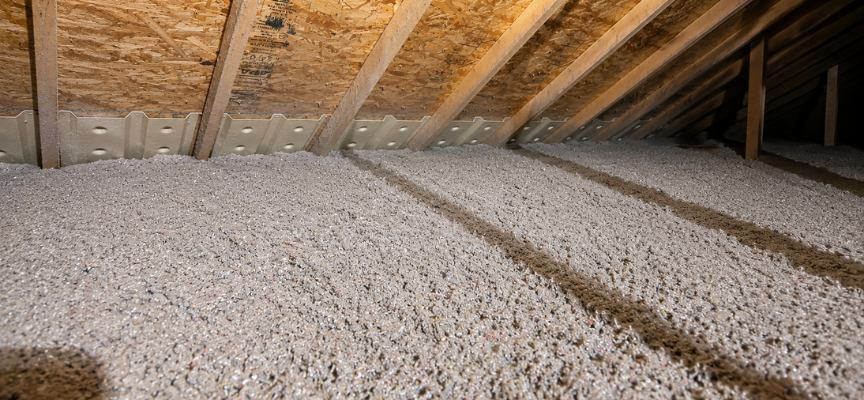
Professionals install baffles before adding insulation, keeping soffit airways clear. Blocked ventilation can trap moisture and lead to mould growth.
Integrated Air Sealing
Blown in insulation performs best when paired with sealing around attic hatches, wiring penetrations, and plumbing stacks.
Efficiency and Safety
A trained crew can complete the job in half a day, while DIY attempts often take an entire weekend and expose homeowners to fibreglass irritation and heat stress.
Transparent Pricing
Reputable providers offer clear, upfront pricing following a proper attic inspection.
The Hidden Hazards of an Under-Insulated Attic
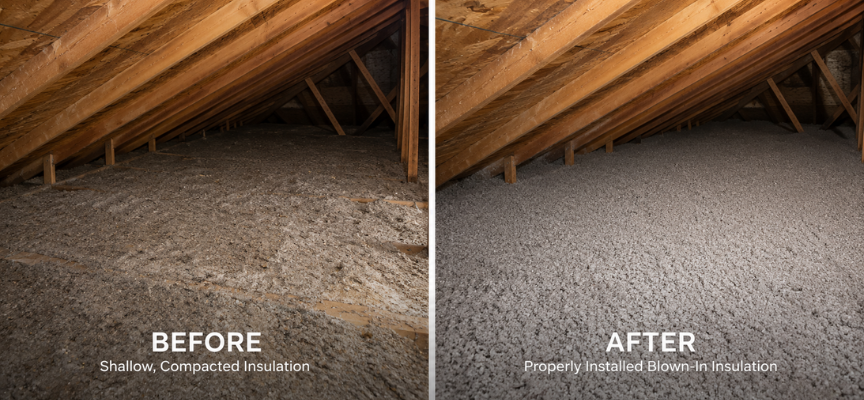
An attic lacking proper insulation can create multiple silent issues over time.
Ice Dam Formation
Escaping heat melts snow near the roof peak. Water refreezes at the eaves, forming dams that push water under shingles and cause damage.
Premature Roof Aging
Excess heat from below can deteriorate asphalt shingles, reducing their lifespan significantly.
HVAC Overload
Heat loss in winter and heat gain in summer force your furnace and air conditioner to run longer cycles, increasing energy costs.
Poor Indoor Air Quality
Air leaks can pull dust and humidity into the attic, potentially causing pressure imbalances and back-drafting of combustion appliances.
Understanding Edmonton’s Attic Insulation Requirements
The National Building Code of Canada sets insulation standards based on climate zones. Edmonton falls within Zone 7A, one of the coldest classifications.
Recommended Insulation Levels
Attic insulation should range between R-50 and R-60, equivalent to roughly 18 to 22 inches of blown in material.
Common Deficiencies in Older Homes
Many older properties still have insulation levels between R-12 and R-20, far below modern standards.
Energy Savings Potential
Upgrading insulation can reduce heating and cooling costs by 15 to 25 percent in most homes.
Material Options
-
Cellulose:
Made from recycled paper and treated for fire resistance, offering strong soundproofing and eco-friendly benefits.
-
Fibreglass:
Produced from sand and recycled glass, it resists moisture and is non-combustible.
-
Mineral Wool:
Created from rock and industrial byproducts, it is highly fire-resistant and excellent for sound control.
A professional evaluation helps determine the best material for your attic and budget.
What Professional Installation Looks Like
Knowing the process ahead of time can help you prepare your home.
- Preparation and Access: Clear the attic entry point and remove any stored items from the space.
- Air Sealing: Technicians seal all openings, including wiring holes, plumbing vents, and attic hatches.
- Baffle Installation: Baffles are installed in each rafter bay to maintain proper airflow from soffit vents.
- Equipment Setup: A commercial blowing machine is positioned outside or in a ventilated area.
- Insulation Application: A technician distributes insulation evenly across the attic floor using a hose system.
- Depth Verification: Measurements are taken at multiple points to ensure the correct insulation level is achieved.
Most installations take between four to six hours for a typical single-family home, with immediate improvements in comfort and efficiency.
The Financial Case for Attic Insulation Upgrades
Homeowners often question whether the investment is worthwhile. The numbers strongly support it.
- Energy Loss Reduction: A home with R-12 insulation can lose up to 25 percent of its heating energy through the roof. Upgrading to R-50 reduces this loss by more than 75 percent.
- Payback Period: Most attic insulation upgrades pay for themselves within two to four years through energy savings.
- Available Rebates: Programs such as the Canada Greener Homes Grant provide financial incentives for upgrades completed by certified professionals.
- Long-Term Protection: Proper insulation helps extend the lifespan of your roof, furnace, and air conditioning system.
Conclusion
An uncomfortable upstairs and rising energy bills in Edmonton can be frustrating, but they are not permanent problems. Avoid short-term fixes and consult a qualified professional.
Classic Spray Foam provides professional blown in insulation Edmonton homeowners trust across the entire capital region, operating year-round with certified technicians and commercial-grade equipment. Contact us to receive a thorough attic assessment and transform your underperforming attic into an energy-efficient asset.