Why Professional Warehouse Insulation Is a Smart Investment for Businesses
April 9, 2026
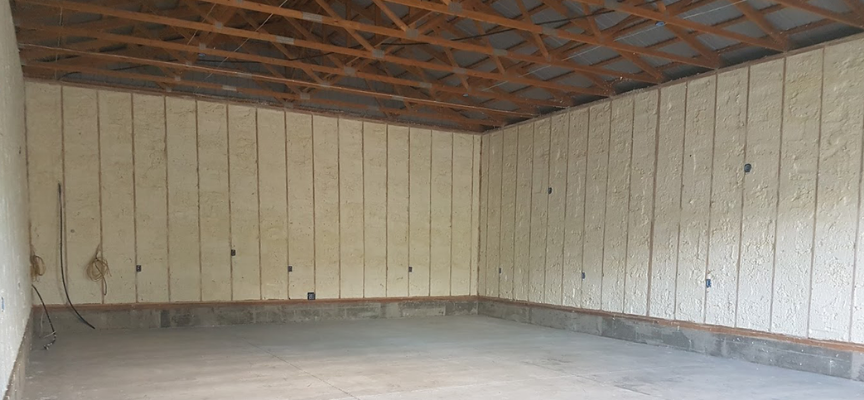
Warehouse buildings operate differently from most commercial spaces. They are large, open, and often run for long hours. Heating and cooling these environments efficiently is a constant challenge. For many business owners, insulation decisions directly affect operating costs, employee comfort, and long-term planning.
Professional warehouse insulation is not just a construction upgrade. It is a financial decision that influences energy use year after year. Spray foam insulation, when applied correctly, supports measurable operational savings and long term value for warehouse owners who think beyond short term fixes.
Energy Loss in Warehouse Buildings
Warehouses lose energy faster than smaller commercial buildings. Large wall surfaces, expansive roof areas, and frequent door activity allow conditioned air to escape easily. Without effective insulation, heating and cooling systems must work harder to maintain interior conditions.
Air movement is one of the biggest contributors to energy loss in warehouse spaces. Gaps along wall assemblies, roof junctions, and structural penetrations create pathways for heat transfer. Over time, this constant energy loss increases utility costs and reduces operational efficiency.
Many older warehouses were built with minimal insulation standards. As energy costs rise, these buildings struggle to perform efficiently. Business owners often notice uneven temperatures, higher heating demand, and unpredictable monthly energy bills.
How Spray Foam Insulation Improves Warehouse Energy Performance
Spray foam insulation performs differently from traditional insulation materials. It expands on application, allowing it to fill gaps and irregular surfaces within the building envelope. This expansion limits uncontrolled air movement throughout the structure.
By reducing air leakage, spray foam helps maintain more stable interior temperatures. Heating and cooling systems operate under less strain because conditioned air remains inside the space longer. Over time, this improved performance leads to more consistent energy usage patterns.
For large warehouse environments, temperature consistency is critical. Spray foam supports better control across wide open areas, tall ceilings, and complex structural layouts. The result is a building that performs closer to its intended energy design.
Operational Cost Savings Over Time
Energy costs represent a significant portion of warehouse operating expenses. Poor insulation increases these costs every month. Spray foam insulation helps reduce energy waste by supporting tighter building envelopes and improved thermal performance.
Lower heating demand during cold seasons leads to noticeable reductions in utility usage. During warmer months, cooling systems benefit from reduced heat transfer through walls and roofs. These improvements contribute to long term operational savings rather than short-lived efficiency gains.
Over time, predictable energy use helps business owners plan budgets more accurately. Reduced fluctuations in monthly energy bills support stronger financial forecasting and operational stability.
Return on Investment for Business Owners
Return on investment is not only about immediate savings. For warehouse insulation, ROI is measured over years of consistent performance. Spray foam insulation delivers value through reduced energy consumption and improved operational control.
As energy savings accumulate annually, the initial insulation investment continues to deliver returns. Business owners benefit from a solution that supports long term cost reduction without frequent upgrades or replacements.
Spray foam insulation also supports future building value. Energy-efficient warehouses are more attractive to tenants, partners, and buyers. This added value strengthens the overall financial position of the property.
Improved Interior Comfort for Staff and Operations
Warehouse environments often involve long shifts and physically demanding work. Temperature stability plays an important role in employee comfort and productivity. Poorly insulated spaces create hot and cold zones that affect daily operations.
Spray foam insulation supports more even temperature distribution across large interiors. Employees experience fewer drafts and less temperature fluctuation throughout the workday. This consistency contributes to a more comfortable working environment.
For warehouses storing temperature-sensitive materials, consistent interior conditions support smoother operations. Stable environments reduce the need for constant system adjustments and manual interventions.
Reduced Maintenance and Operational Disruptions
Inefficient insulation forces heating and cooling systems to cycle more frequently. Over time, this increased workload contributes to higher maintenance needs and operational interruptions. Warehouse managers often face unplanned service calls and system adjustments.
By supporting stable interior conditions, spray foam insulation reduces unnecessary system strain. Heating and cooling equipment operates under more predictable conditions, which helps maintain steady performance.
Fewer comfort complaints and system adjustments allow facility teams to focus on core operational tasks. This improved efficiency supports smoother day to day warehouse management.
Why Professional Installation Matters for Warehouse Insulation
Warehouse insulation projects require careful planning and execution. Large surface areas, complex rooflines, and structural variations demand precise application. Improper installation can reduce performance and limit long-term savings.
Professional insulation contractors understand how to apply spray foam at the correct thickness and coverage levels. Proper installation ensures consistent performance across walls, roofs, and structural components.
A professional approach also accounts for building use, access points, and safety requirements. This planning protects the integrity of the insulation system and supports long-term operational value.
Why Spray Foam Is a Strategic Investment for Warehouses
Spray foam insulation is not a short-term fix. It is a strategic solution designed to support long-term performance goals. For warehouse owners, this means improved energy control, predictable operating costs, and reduced disruptions.
The ability to address air leakage across large structures makes spray foam especially effective in warehouse applications. Its performance supports business growth by creating more efficient and controlled environments.
When viewed as a long-term investment, spray foam insulation aligns with broader operational and financial planning strategies.
Why Business Owners Choose Classic Spray Foam for Warehouse Insulation
At Classic Spray Foam, we approach warehouse insulation with a long-term performance mindset. We understand that warehouse owners are not looking for temporary solutions. They need systems that deliver consistent results year after year.
We plan each warehouse insulation project carefully. Our team evaluates building size, layout, and operational needs before application begins. This approach ensures spray foam insulation supports energy efficiency and operational goals.
We focus on proper application and performance-driven results. Our goal is to help business owners reduce energy waste, improve interior stability, and protect their long-term investment. For warehouse insulation, we position ourselves as a reliable partner focused on lasting value.