Maximum Industrial Thermal Efficiency Secured By Advanced Warehouse Insulation in Edmonton
September 17, 2026
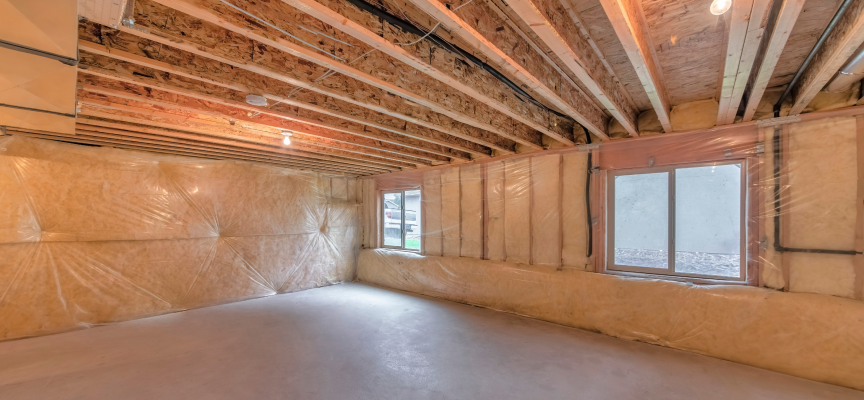
Industrial facility operators across Alberta continuously confront escalating energy costs and evolving environmental regulations. Warehouses, distribution centres, and manufacturing plants represent significant investments that require protective strategies against harsh seasonal temperature swings. Implementing professional warehouse insulation solutions delivers measurable reductions in heating expenditures while safeguarding stored inventory and maintaining optimal working conditions year-round. As energy efficiency becomes paramount for operational sustainability, Alberta’s industrial sector increasingly recognises the critical role of thermal management in achieving long-term profitability.
Why Thermal Efficiency Matters for Industrial Facilities
Industrial warehouses present unique thermal challenges not typically encountered in residential or commercial buildings. Massive floor plans, towering ceiling heights, frequent loading dock operations, and substantial metal surfaces create environments prone to rapid heat loss during Edmonton’s severe winters and excessive heat gain throughout summer months. Without proper warehouse insulation, facility managers confront heating bills that escalate dramatically as temperatures drop below minus twenty degrees Celsius. Energy losses through uninsulated walls, roofs, and floors can account for up to forty per cent of total operational expenses for many industrial operations.
Beyond cost considerations, temperature stability directly impacts product integrity. Sensitive materials including pharmaceuticals, food products, chemicals, and electronic components require consistent temperature ranges to prevent degradation, spoilage, or safety hazards. Advanced warehouse insulation systems maintain these critical parameters while reducing strain on heating and cooling equipment, thereby extending mechanical system lifespan and minimising maintenance requirements.
Signs Your Warehouse Requires Insulation Upgrades
Many industrial operators have grown accustomed to drafty conditions and fluctuating temperatures, often dismissing these issues as unavoidable aspects of large-scale facilities. However, several indicators suggest that existing insulation no longer performs adequately:
- Noticeable temperature stratification with warm air accumulating near ceilings while floors remain cold
- Ice dam formation along roof edges during winter months
- Condensation developing on metal surfaces and structural members
- Excessive humidity levels leading to corrosion or mould growth
- Rising energy costs despite consistent operational practices
- Employee complaints regarding uncomfortable working conditions
Classic Spray Foam recommends conducting comprehensive thermal imaging audits to identify specific deficiency areas. These assessments reveal hidden heat loss pathways that visual inspections typically miss, providing data-driven justification for warehouse insulation investments.
Regulatory Compliance and Environmental Standards
Canadian industrial facilities must adhere to increasingly stringent environmental regulations regarding energy consumption and emissions. The Government of Canada’s energy efficiency regulations establish minimum performance standards for commercial and industrial buildings, with significant penalties applicable for non-compliance. Alberta’s Climate Leadership Plan further incentivises emissions reductions through various programmes and financial mechanisms.
Implementing professional warehouse insulation solutions positions facilities to meet or exceed these requirements while accessing available government incentives. Classic Spray Foam maintains current knowledge of applicable codes, including the National Energy Code for Buildings and local municipal bylaws governing industrial construction. This expertise ensures that insulation upgrades satisfy regulatory obligations while maximising energy savings potential.
Superior Insulation Materials for Industrial Applications
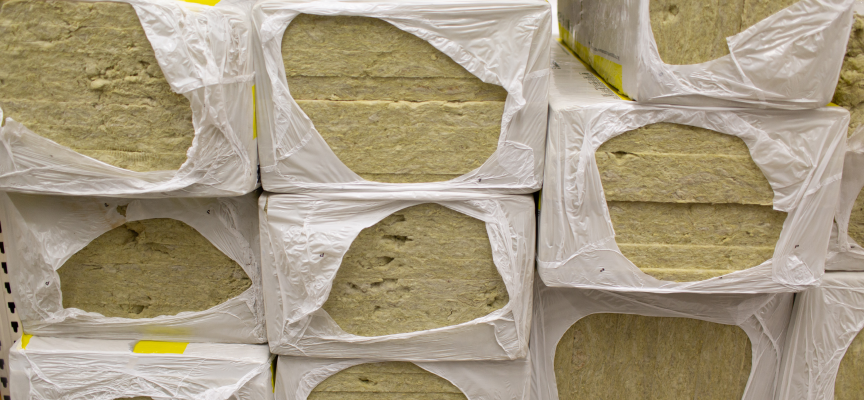
Not all insulation products perform equally in demanding industrial environments. Traditional fibreglass batt materials frequently prove inadequate for warehouse applications, as they absorb moisture, compress over time, and fail to address air infiltration issues effectively. Closed-cell spray foam insulation represents the gold standard for industrial thermal management, delivering exceptional performance characteristics specifically suited to large-scale facilities.
Spray foam warehouse insulation provides several advantages over conventional alternatives:
Continuous Thermal Barrier
Unlike batt or rigid board products that leave gaps around structural members, spray foam expands to fill every crevice, seam, and irregularity. This continuous envelope eliminates thermal bridging, where heat travels through conductive materials, rendering other insulation types less effective. The resulting airtight seal dramatically reduces heat transfer through building envelopes.
Superior Moisture Management
Industrial warehouses generate substantial moisture through processes, equipment operation, and frequent door openings. Spray foam’s closed-cell structure resists water absorption, preventing the degradation and mould growth that compromise fibreglass and cellulose products. This moisture resistance also protects metal building components from corrosion, extending structural lifespan.
Structural Enhancement
Spray foam application adds rigidity to building assemblies, improving resistance against wind uplift and seismic forces. This structural contribution proves particularly valuable for older warehouses where original construction may not meet current building code requirements.
Strategic Zoning and Phased Implementation
Comprehensive warehouse insulation projects require careful planning to minimise operational disruption. Classic Spray Foam specializes in phased approaches that allow facilities to continue normal operations throughout upgrade processes. Typical implementation strategies include:
- Roof insulation application during favourable weather conditions
- Wall insulation installation in sections to maintain access for loading activities
- Floor insulation beneath high-traffic areas scheduled during low-volume periods
- Loading dock upgrades coordinated with logistics planning to prevent bottlenecks
This methodical approach enables warehouse operators to achieve thermal improvements without interrupting distribution schedules or incurring revenue losses associated with facility shutdowns.
Additional Benefits Beyond Thermal Performance
Advanced warehouse insulation delivers advantages extending well beyond energy savings. Properly insulated facilities experience:
- Improved Air Quality: Airtight construction prevents outdoor pollutants, dust, and exhaust fumes from entering workspaces, creating healthier environments for employees and reducing liability exposure.
- Noise Reduction: Spray foam’s dense cellular structure absorbs sound waves, lowering noise levels from equipment operation and reducing community disturbance from industrial activities.
- Pest Deterrence: Sealed building envelopes eliminate entry points for rodents and insects, protecting stored goods from contamination and damage.
- Increased Property Value: Energy-efficient warehouses command premium valuations and lease rates in Edmonton’s competitive industrial real estate market.
Selecting Professional Installation Partners
Successful warehouse insulation projects demand specialised expertise that general contractors often lack. Certified spray foam applicators understand the chemistry, equipment requirements, and safety protocols essential for proper installation. Inadequate application can result in off-gassing issues, uneven coverage, or material failure, negating expected benefits and creating potential liabilities.
Classic Spray Foam brings comprehensive industrial experience to every project, understanding the intersection of building science, fire safety requirements, and operational logistics. Their team coordinates directly with fire marshals and building inspectors, ensuring that insulation systems integrate seamlessly with existing fire suppression and alarm infrastructure. This integrated approach satisfies insurance underwriters and provides peace of mind for facility owners and operators.
Conclusion
Professional warehouse insulation represents one of the most impactful investments available to Edmonton’s industrial sector. Facilities implementing advanced thermal management strategies report energy cost reductions of twenty-five to forty per cent, improved employee productivity, enhanced inventory protection, and simplified regulatory compliance. As energy prices continue their upward trajectory and environmental expectations intensify, properties lacking modern insulation will face increasing competitive disadvantages.
Classic Spray Foam brings decades of industrial renovation experience to every project, understanding the complex requirements of Edmonton’s diverse manufacturing and distribution sectors. Their commitment to quality installation, regulatory compliance, and minimal operational disruption ensures that insulation investments deliver maximum returns. Contact us today to schedule a comprehensive energy assessment and discover how strategic warehouse insulation can transform your facility’s operational efficiency and profitability.